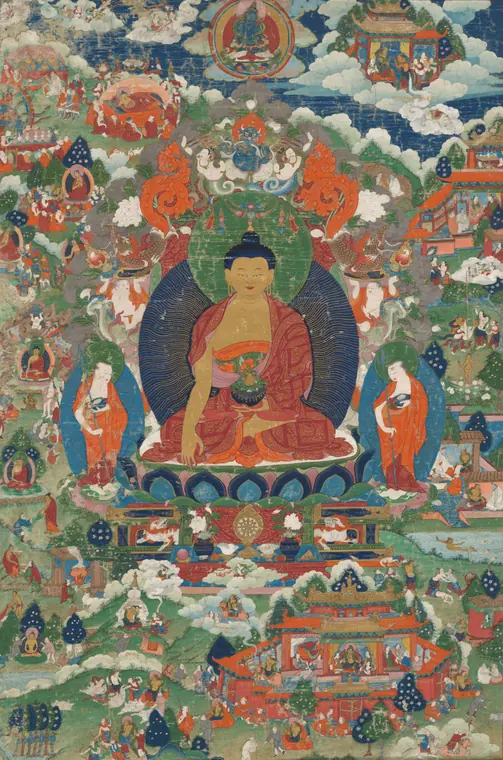
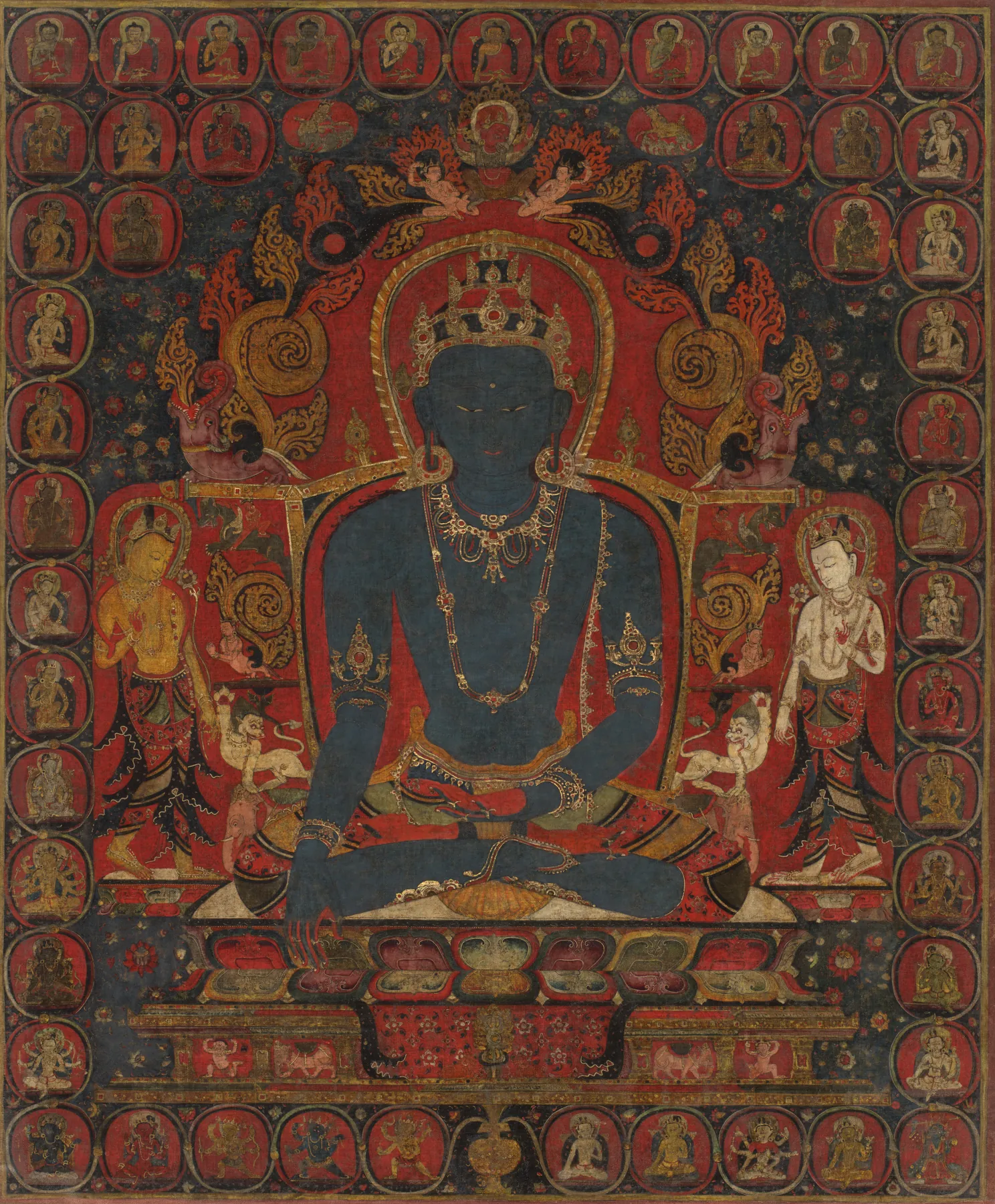
The Transcendent Buddha Akshobhya. Unidentified, 13th or early 14th century.

बुद्ध लोक

BUDDHA

The Buddha's words in the Dhammapada, the quiet watch of the breath, and the middle way.

The Transcendent Buddha Akshobhya, Unidentified, 13th or early 14th century.

Descend

The verses

Dhammapada 1

Manopubbaṅgamā dhammā, manoseṭṭhā manomayā;

Manasā ce paduṭṭhena, bhāsati vā karoti vā;

Tato naṁ dukkhamanveti, cakkaṁva vahato padaṁ.

All that we are is the result of what we have thought: it is founded on our thoughts, it is made up of our thoughts.

If a man speaks or acts with an evil thought, pain follows him, as the wheel follows the foot of the ox that draws the carriage.

सरल अर्थ: मन सबसे पहले आता है। दूषित मन से बोलो या करो, तो दुःख पीछे-पीछे आता है, जैसे गाड़ी का पहिया बैल के पैरों के पीछे।

In plain words: The mind goes first — speak or act from a clouded mind and suffering follows you, as the cart wheel follows the foot of the ox.

Source

Root text: Dhammapada, verse 1, in Pali (Mahāsaṅgīti edition, via SuttaCentral). English: F. Max Müller, The Dhammapada, Sacred Books of the East vol. X (Oxford, 1881). Müller's translation ↗ · The Pali ↗
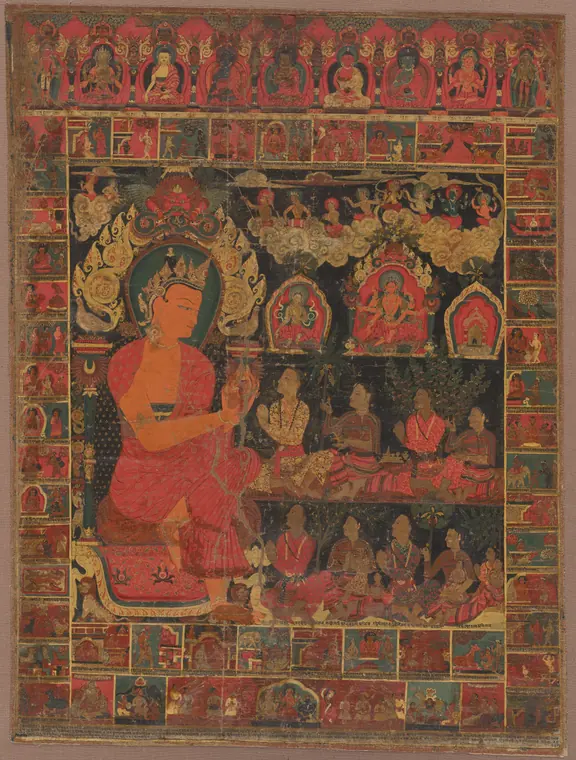
Root text · PaliTranslation · 1881
1 of 5

The doors

Five doors, each to one teaching — not open yet. Read the verses or sit in silence below.

Silence

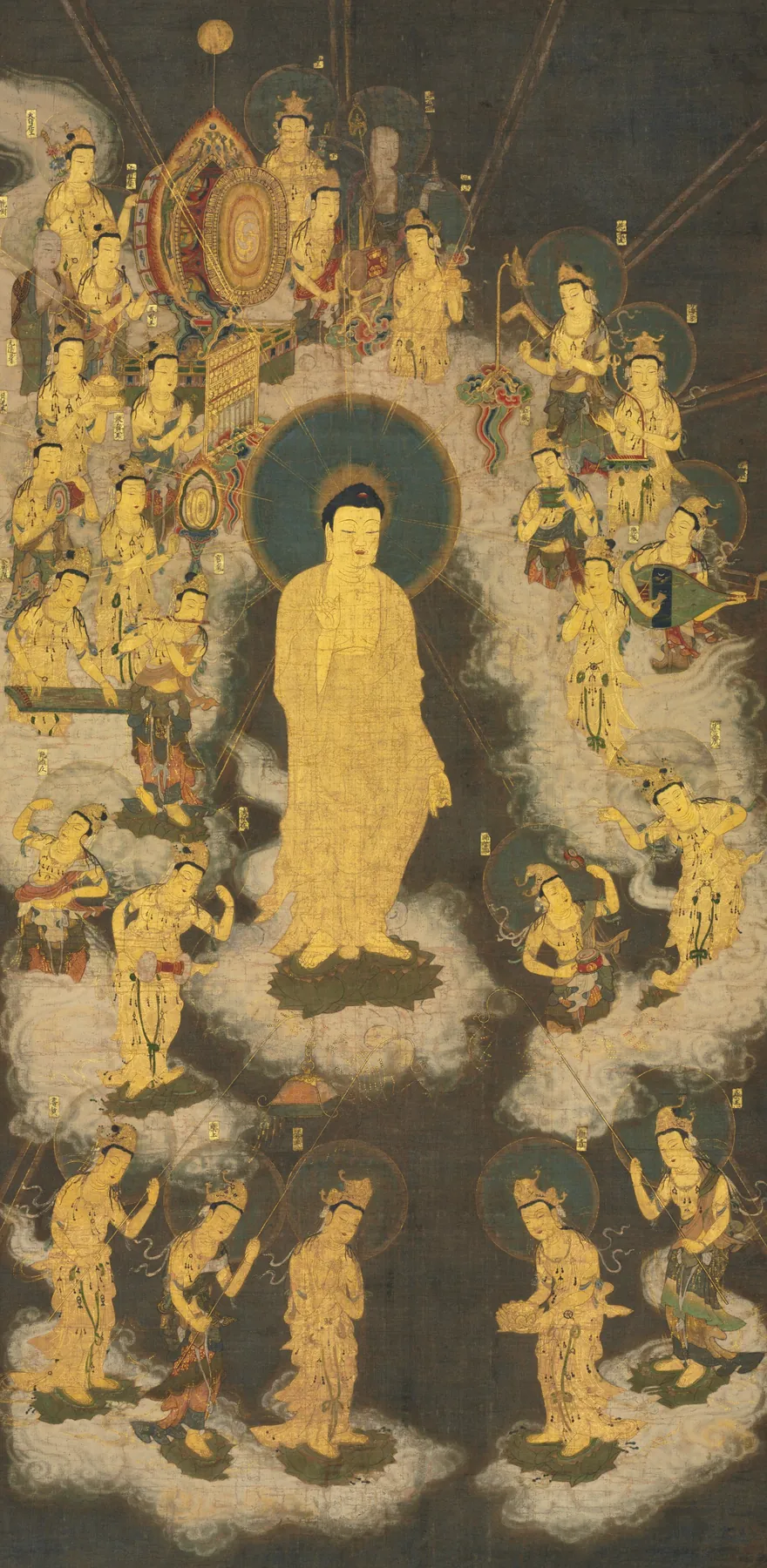
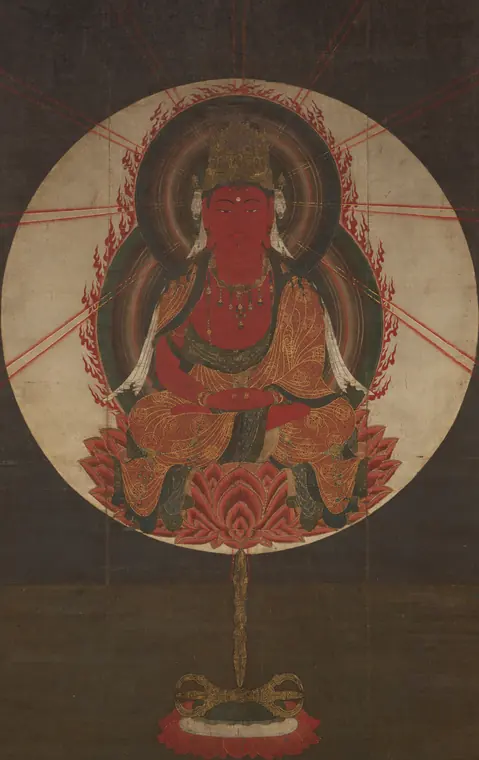
Welcoming Descent of Amida (Amida Raigō). Japan, Kamakura period (1185–1333), 1300–1333.
Welcoming Descent of Amida (Amida Raigō), 1300–1333

No method here. A painting, the sound of this world, and as much time as you choose.

The six worlds
  1. शिव लोकShiva Lok
  2. कृष्ण लोकKrishna Lok
  3. भक्ति लोकDevotion Lok
  4. बुद्ध लोकBuddha Lok
  5. ज़ेन लोकZen Lok
  6. कृष्णमूर्ति लोकKrishnamurti Lok
  7. यात्राThe Universal Walk
Look closer