Sources

Where every verse, painting, film and sound on this site comes from, and what we are allowed to do with it.

How to read this site

Old words reach us through many hands. We keep those hands separate, and every verse says which is which.

Root text

The original words, in their own language and script, from a named edition.

Translation

Someone else’s English, named, with the edition and page.

Our rendering

Our own English from the sense of a text. Marked every time. Never passed off as a translation.

Art

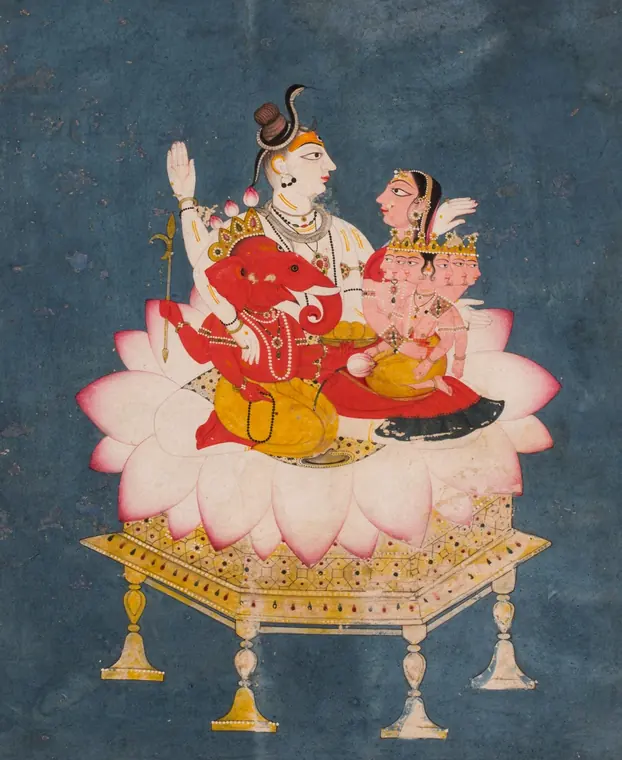
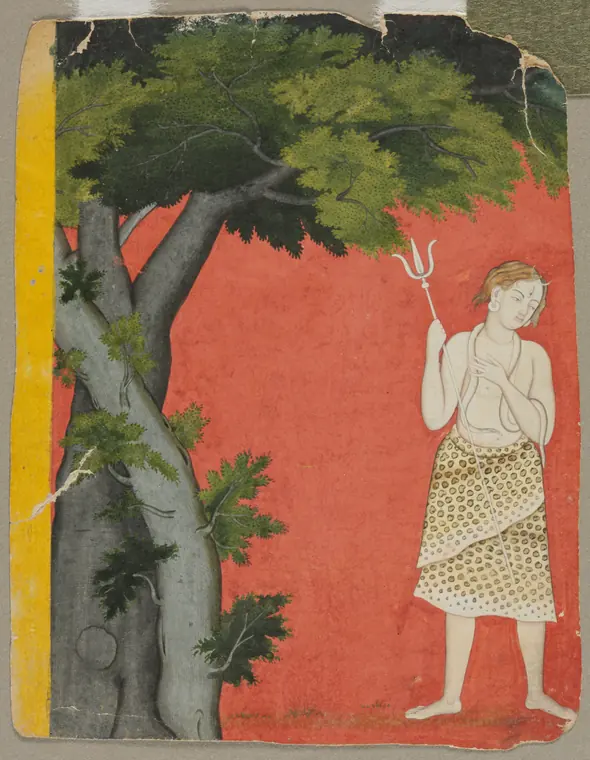
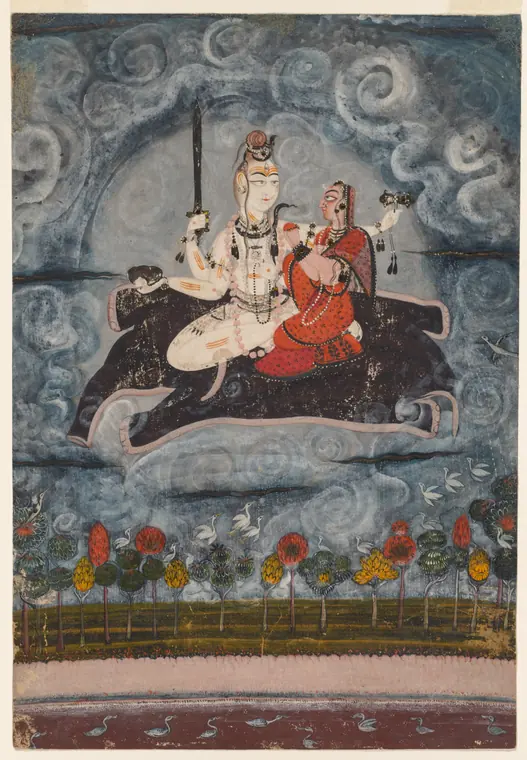
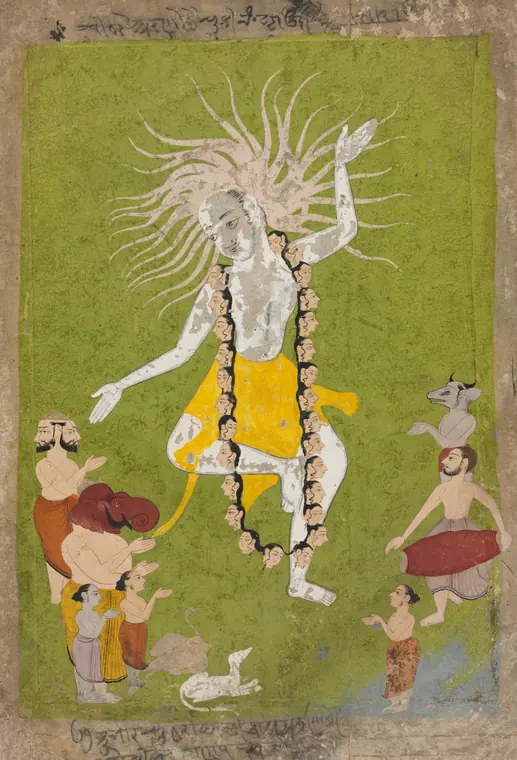
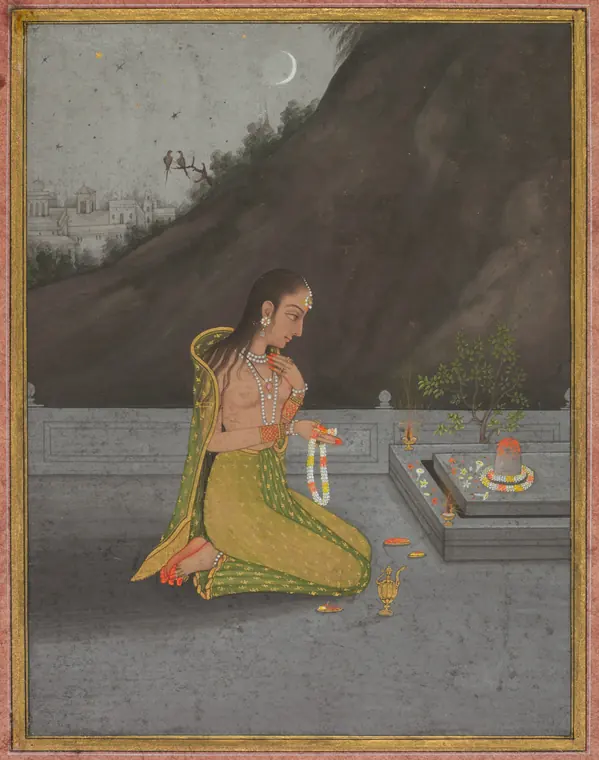
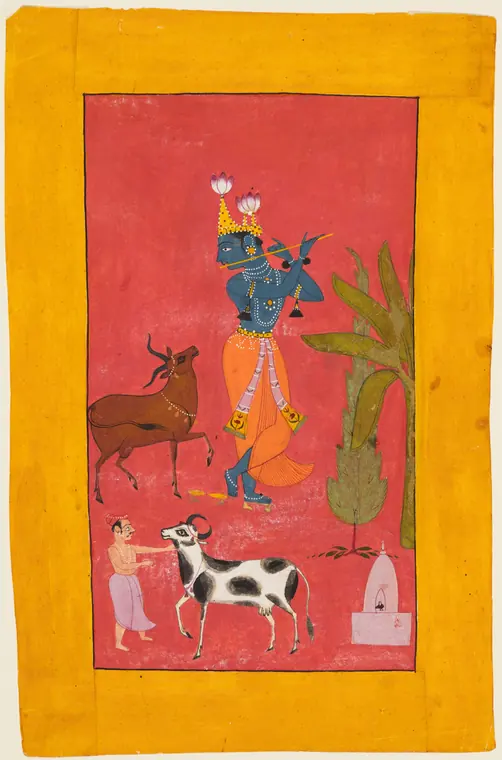
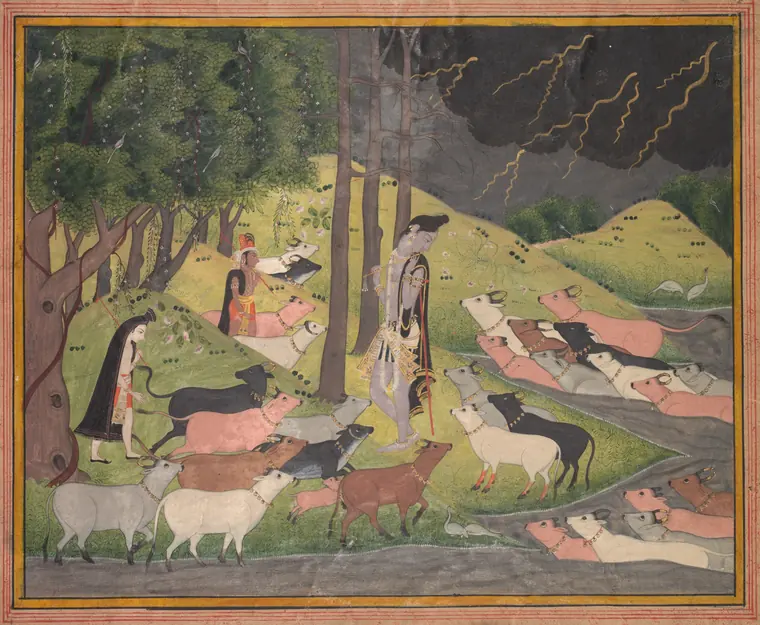
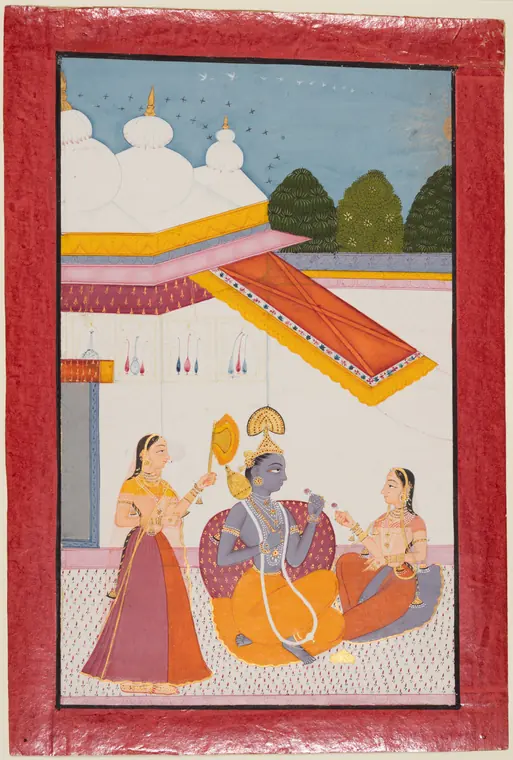
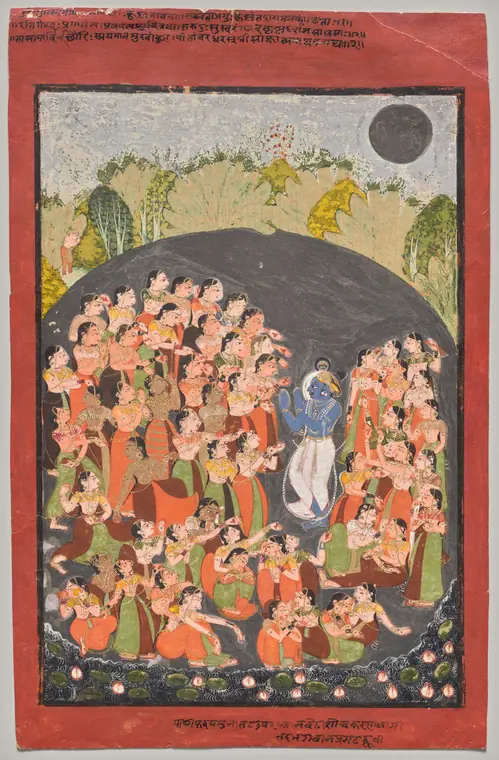
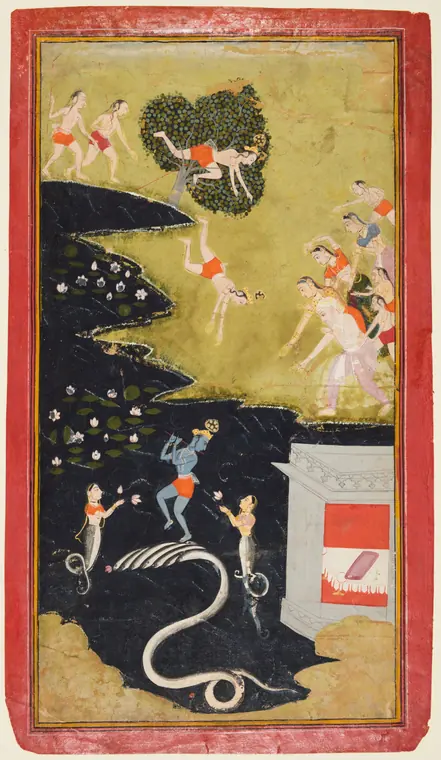
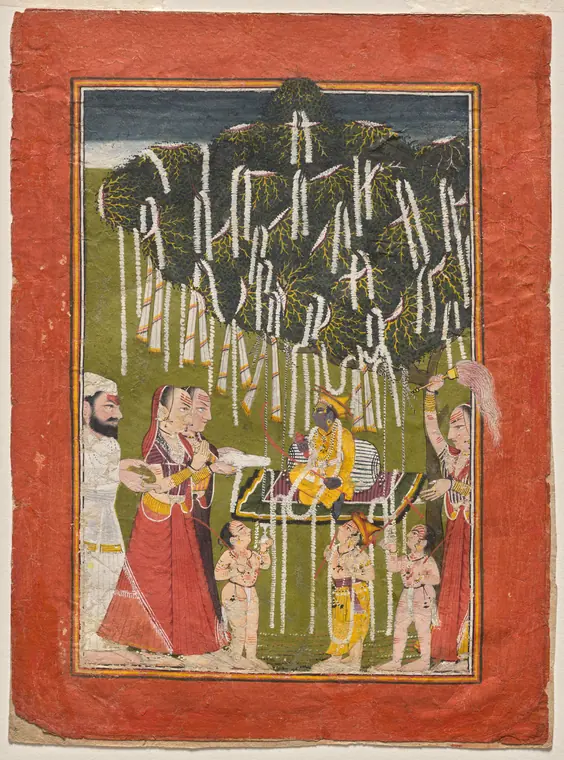
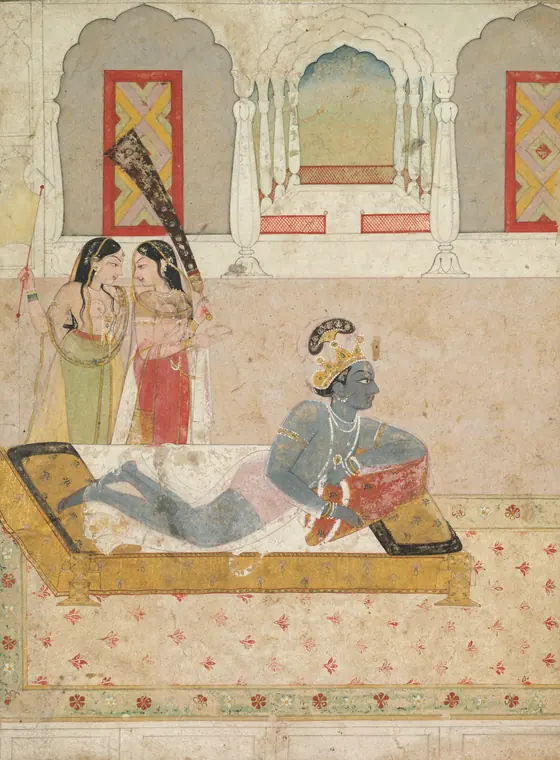
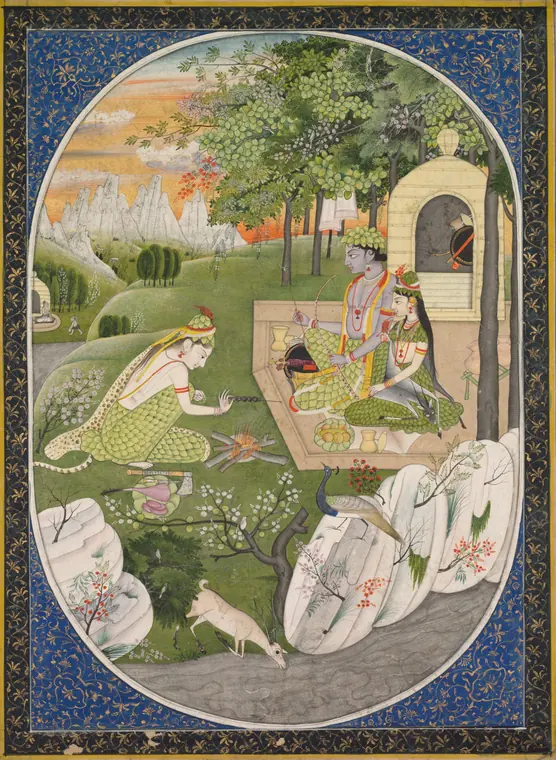
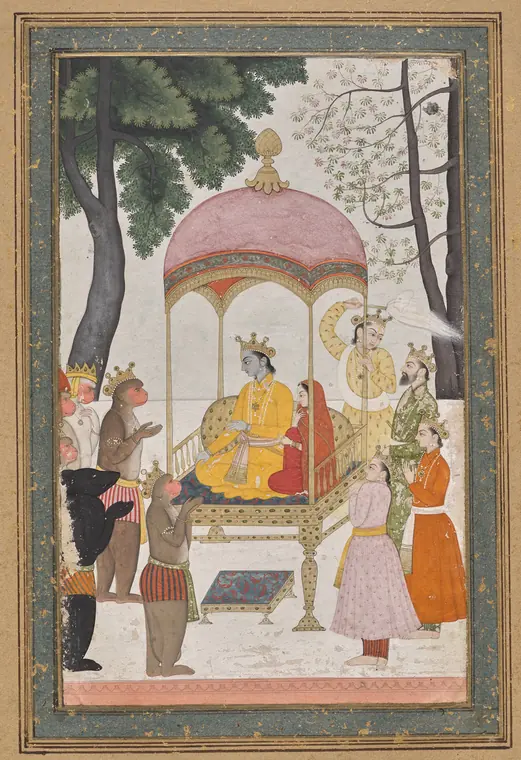
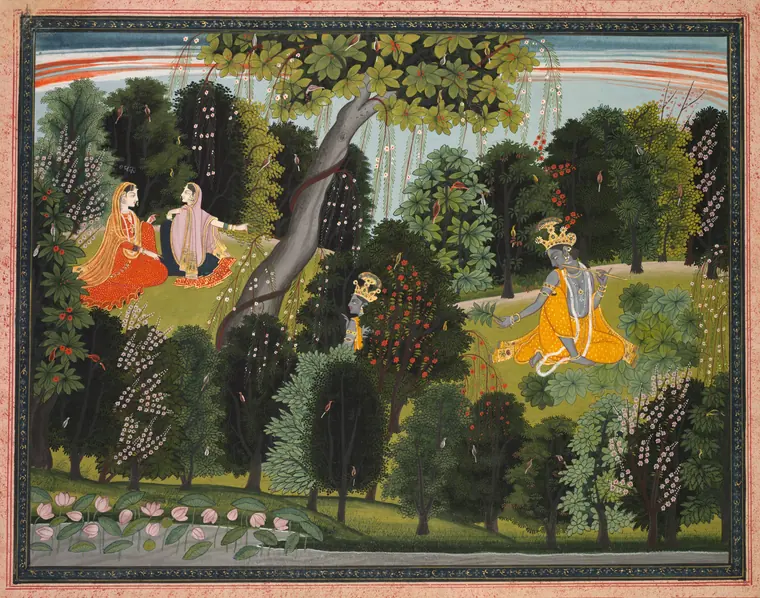
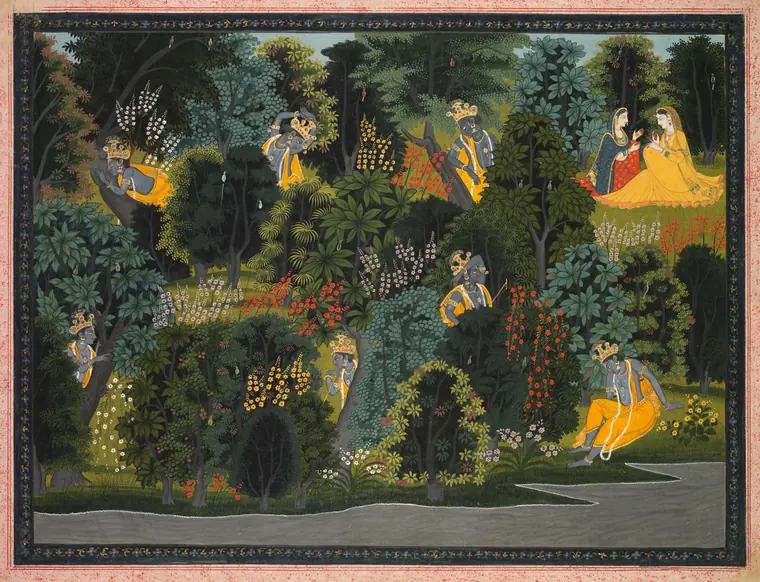
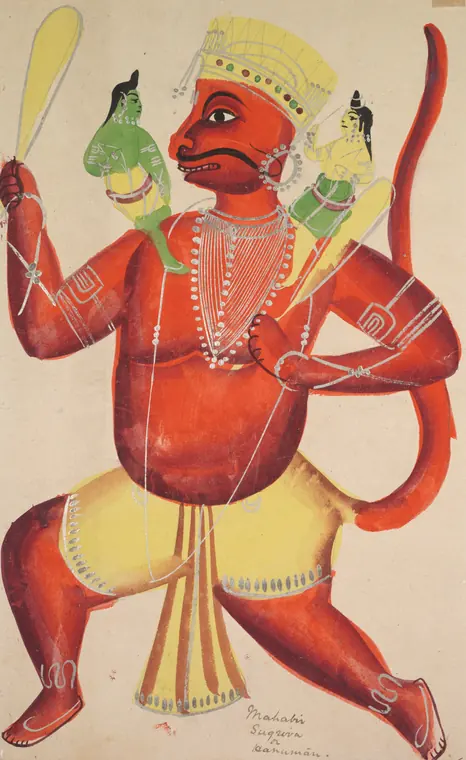
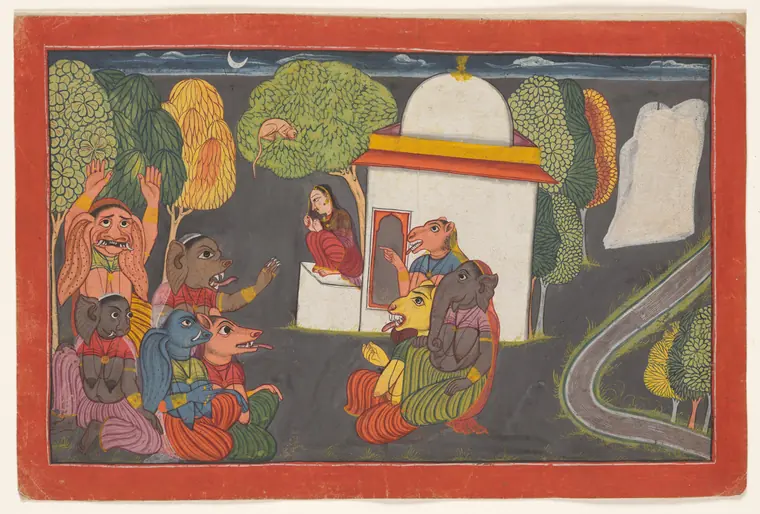
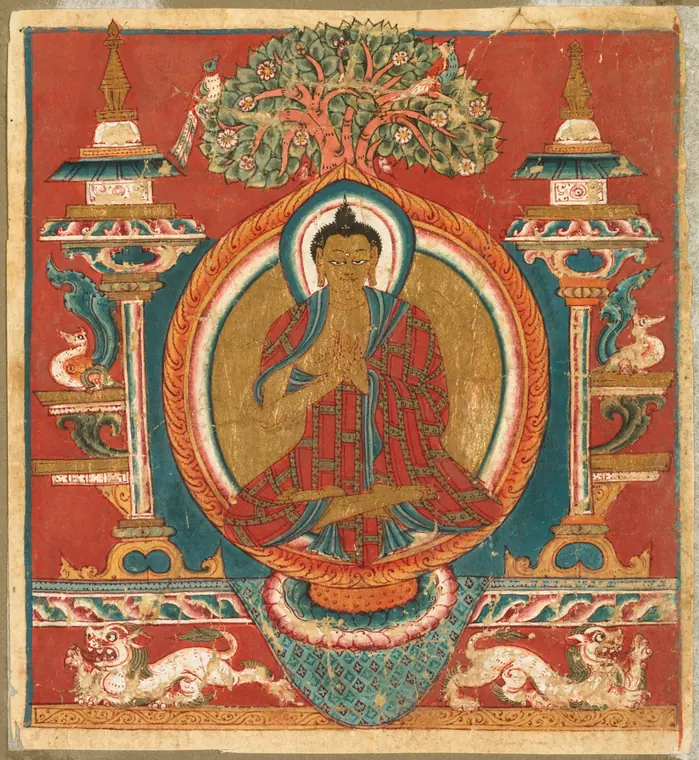
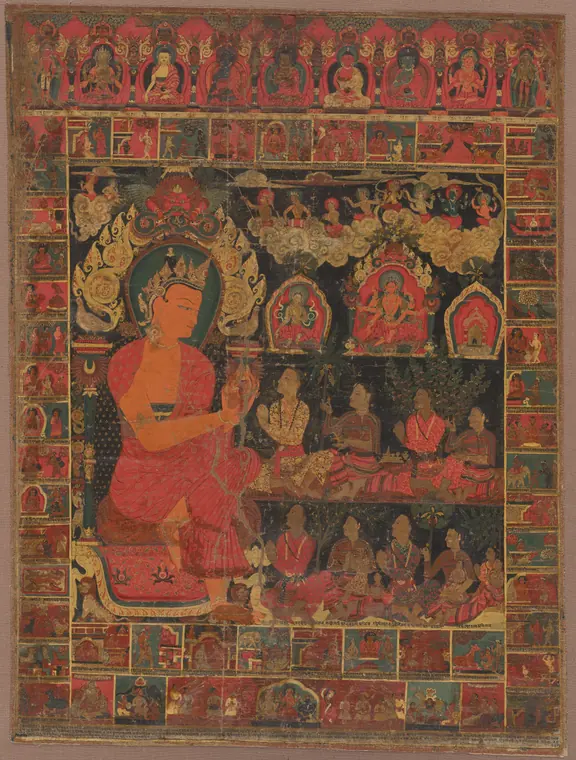
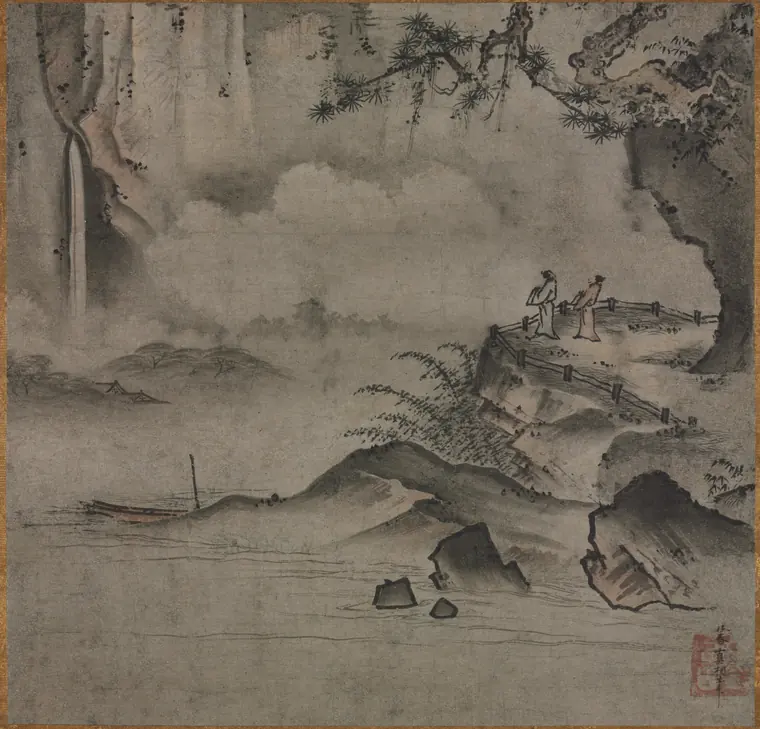
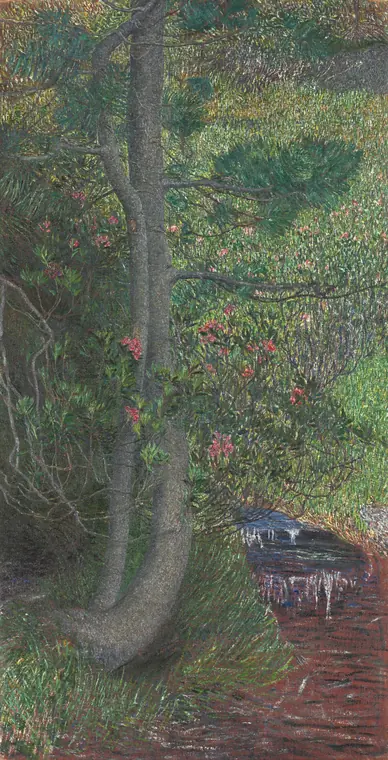
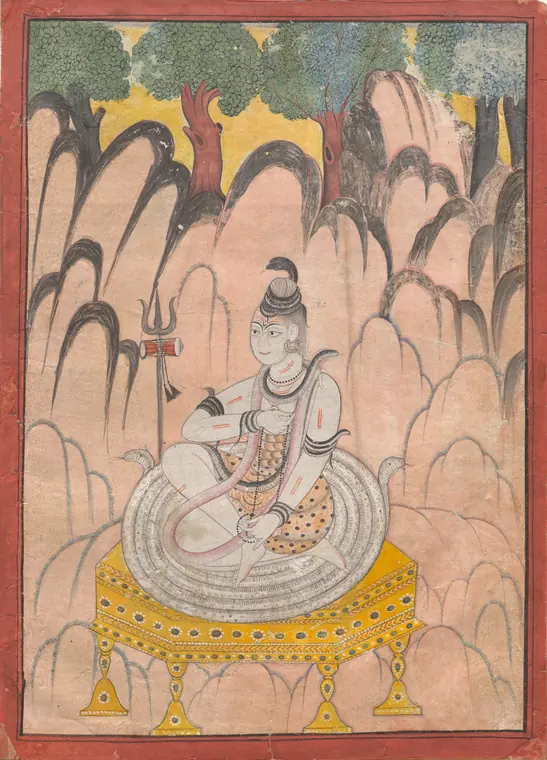
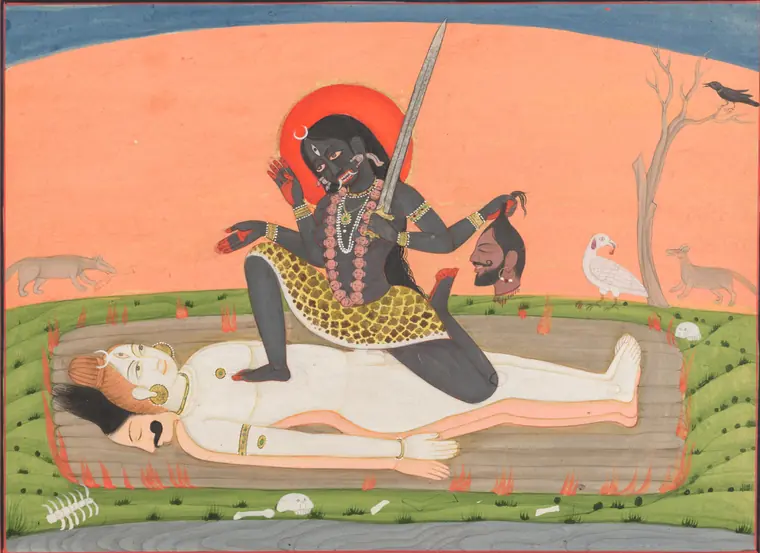
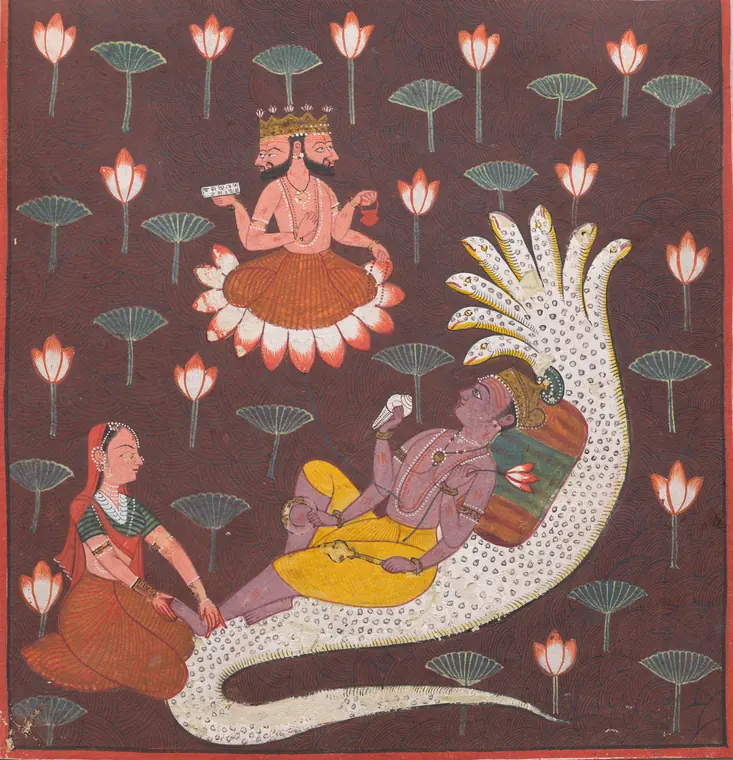
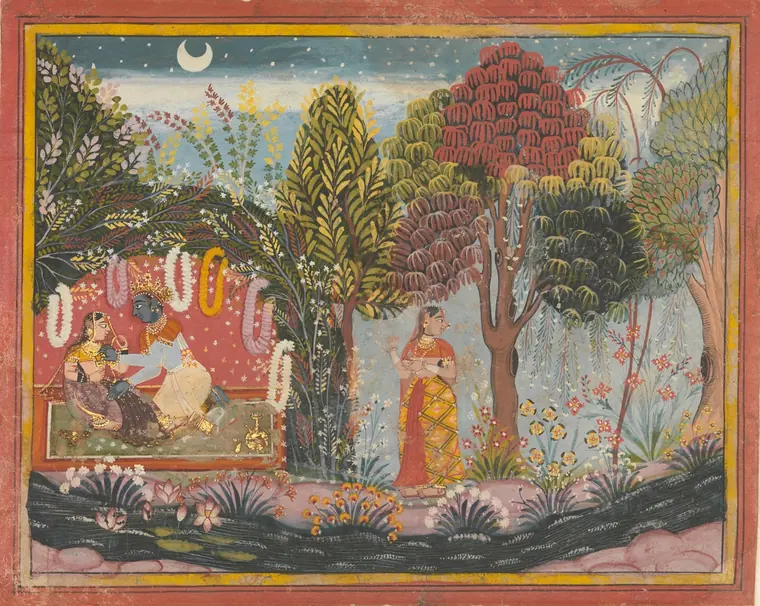
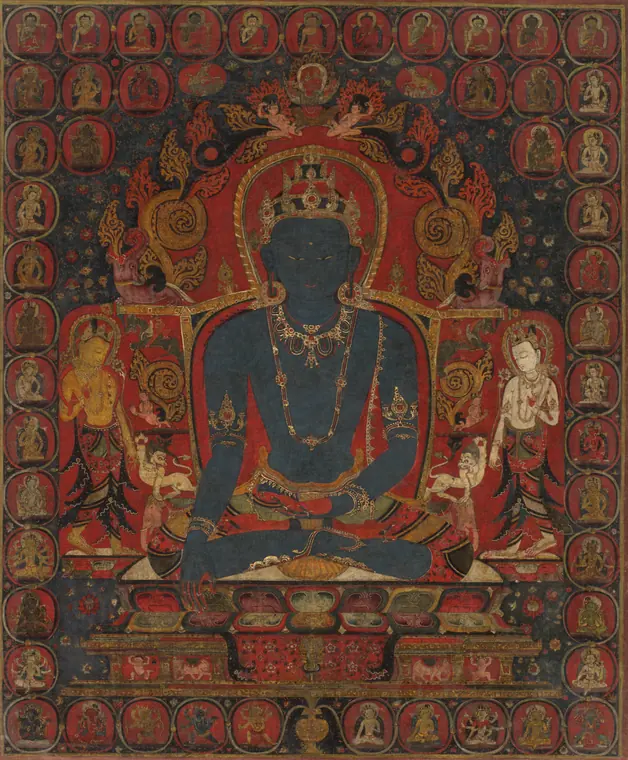
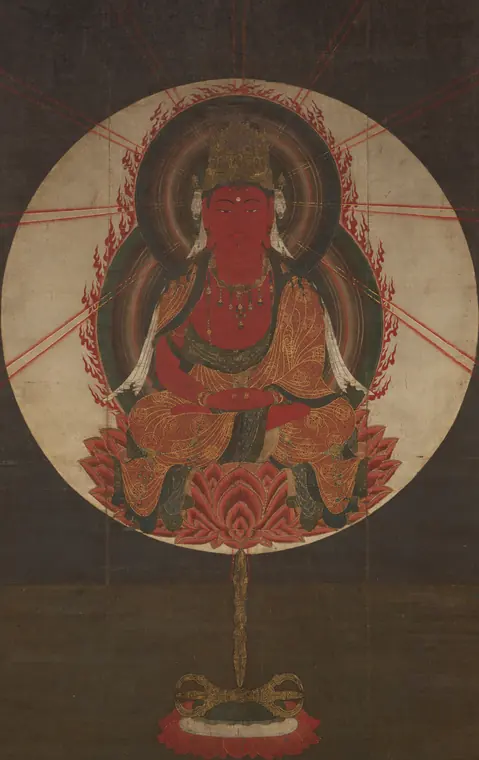
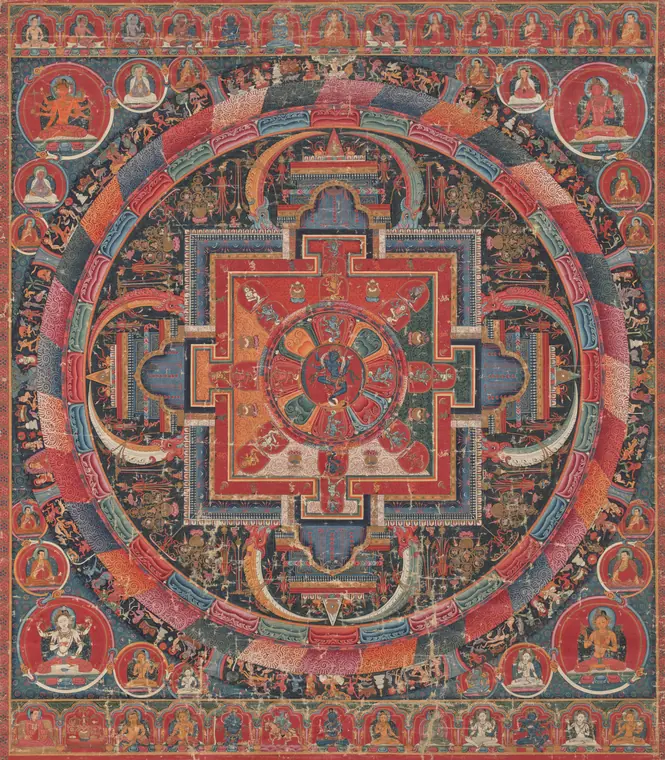
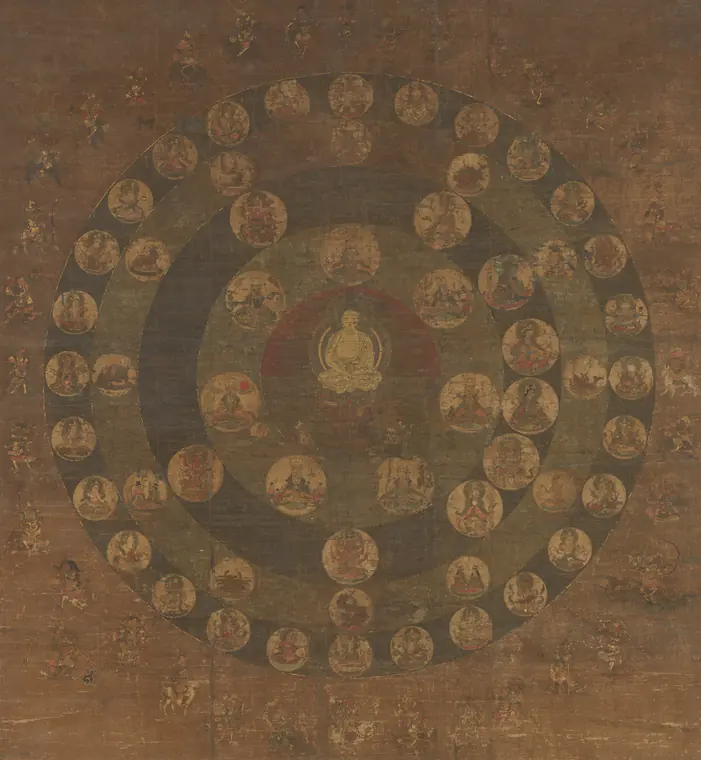
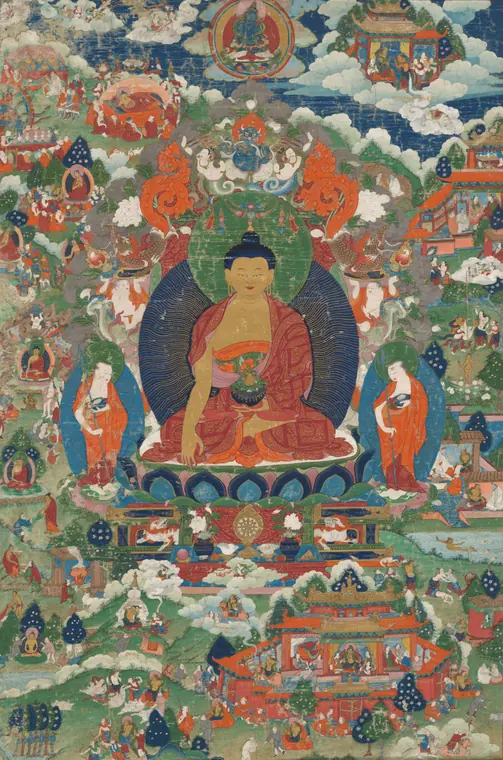
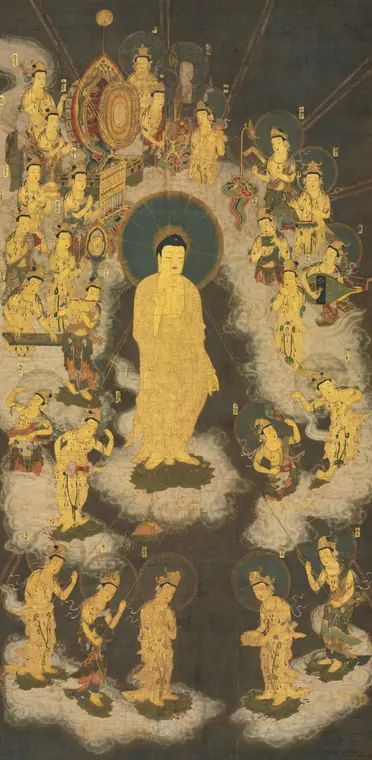
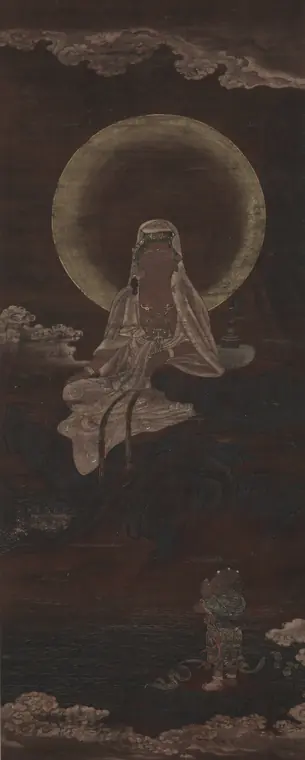
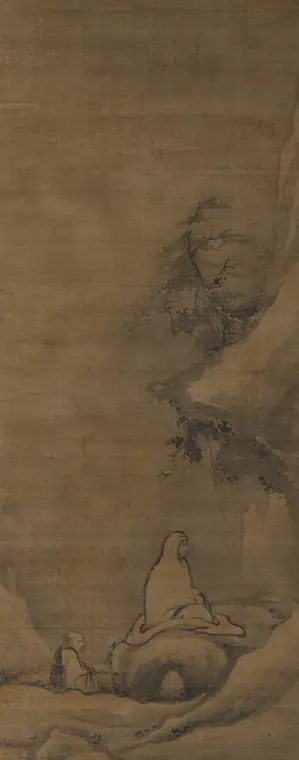
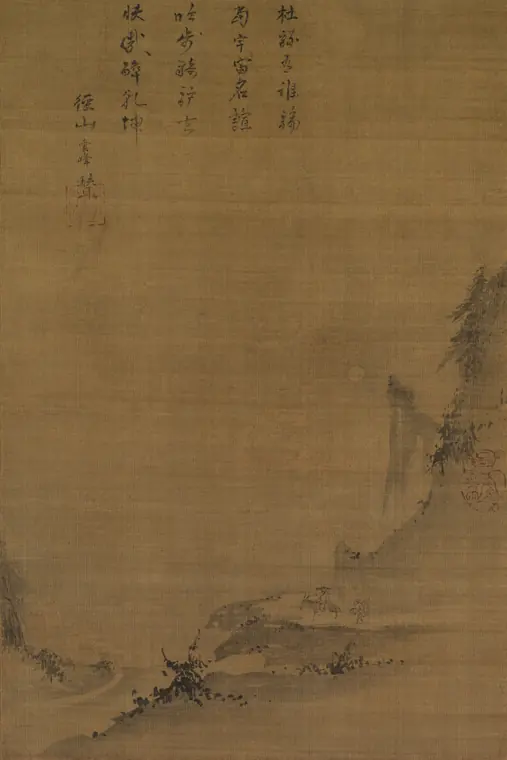
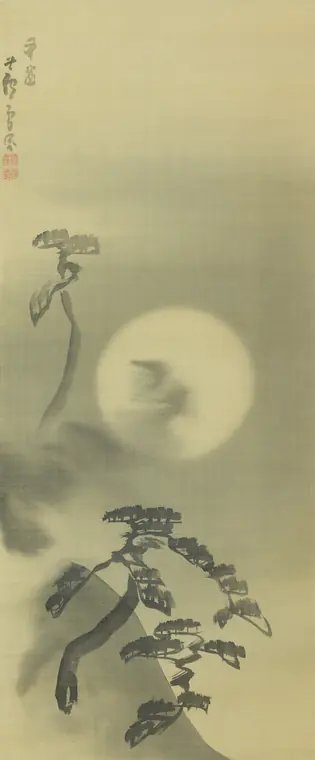
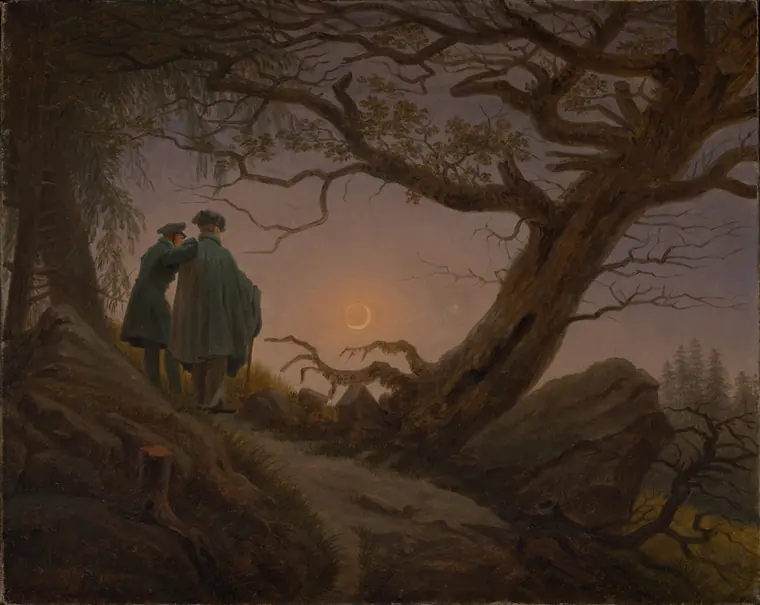
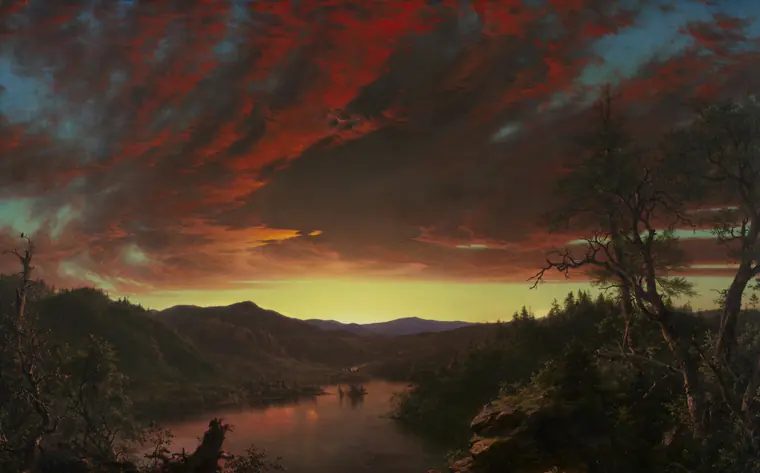
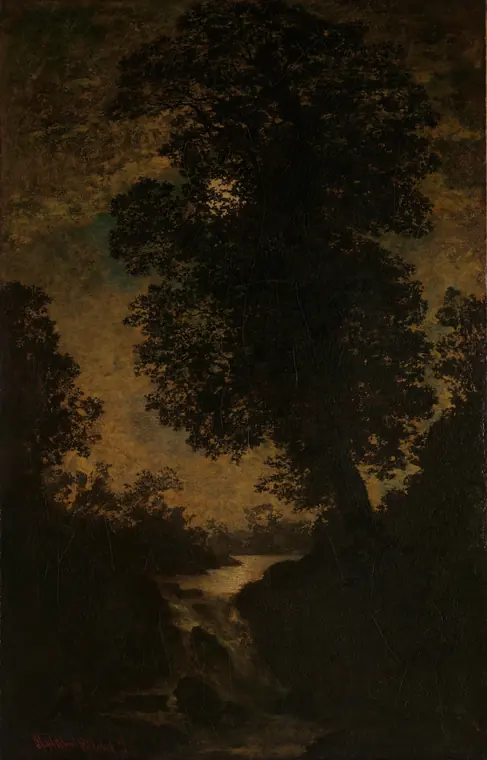
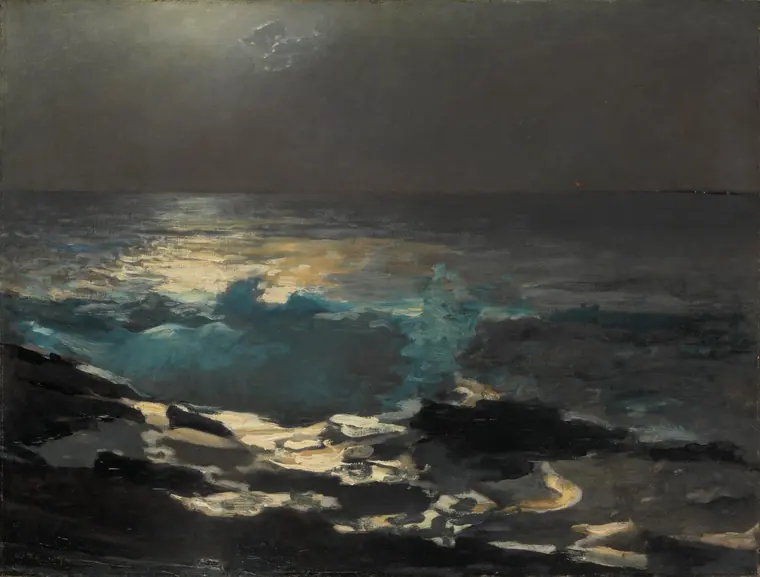
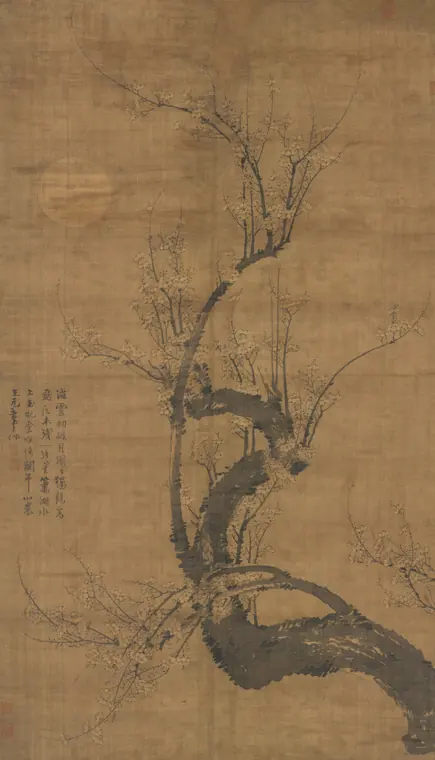
Real paintings and sculpture from museums, credited one by one, including darkened details used for page backdrops. The rings, flame, meditation visualizers, mantra counter and the Walk are drawn in code.

The rule for full texts

We post a translation in full only when it is free to post in both Canada and the USA: the translator died before 1972 and it was published before 1931. Anything newer appears only as a short quotation with its source and a link to its official home.

Meditations

A method here is only a method: what to do, never what you will feel. Methods that need a teacher are left out.

Real scripture vs. viral misattributions

Many of the most shared “Shiva quotes” online have no Sanskrit source behind them. Here is what circulates beside what the primary editions actually say.

Real traditional Sanskrit verse · False Vedic attribution

“Karpūra Gauram Karuṇāvatāram comes from the Yajurveda (the Shiva Yajur Mantra).”

What the verified texts say

The verse itself is genuine, beautiful, and chanted at almost every Shiva āratī across India. However, it does not appear anywhere in the Shukla or Krishna Yajurveda indices, and it is composed in classical post-Vedic Upajāti meter rather than Vedic chandas. We honor and print the Sanskrit as a beloved traditional Shiva Āratī hymn — never with a fake 'Yajurveda' label.
Modern social-media paraphrase · Not a quote from any scripture

“‘Shiva is not a god, not a deity to be worshipped. Shiva is a quality of being…’ — Ancient Tantra Sutra”

What the verified texts say

This popular parchment quote card circulating on Instagram and Threads has no Sanskrit verse, book, or author behind it. It is a loose modern paraphrase of non-dual Shaiva ideas. If you want the real ancient source that says consciousness itself is your reality, read Vasugupta's Śiva Sūtras 1.1: चैतन्यमात्मा (caitanyam ātmā — 'Consciousness is the Self').

Modern devotional caption · No scriptural source

“‘As long as you are breathing, I reside in you; the day you stop breathing, you reside in me.’ — Lord Shiva”

What the verified texts say

No Purāṇa, Āgama, or Upaniṣad contains this sentence. The authentic Tantric teaching on breath and Shiva is far more practical: in Vigyan Bhairav Tantra Method 1 and the Haṃsa Upaniṣad, the quiet turning point between your inhale and exhale right now is the doorway where the separate ego rests in Shiva.

Modern free adaptation (Coleman Barks) · Not a literal translation

“‘Dance, Lalla, with nothing on but air: Sing, Lalla, wearing the sky.’ — Direct translation of Lal Ded”

What the verified texts say

Those widely shared lines are Coleman Barks's copyrighted modern poetic riff in Naked Song, not a direct translation from the Kashmiri. On this site we give Sir George Grierson and Lionel Barnett's verified 1920 translation from the Kashmiri manuscript (Saying 94: 'He said unto me, from without enter thou the inmost part… And therefore naked began I to dance').

Modern teacher's commentary · Not the primary Sanskrit etymology

“‘Shiva literally means That Which Is Not’ — Quoted as a Sanskrit dictionary or Vedic definition”

What the verified texts say

In classical Sanskrit grammar and the Vedas (Pāṇini / Nirukta / Śrī Rudram), the word śiva (शिव) comes from the root śī ('in whom all things lie/rest') and means 'the auspicious, benign, gracious, or pure one.' Playing on śi-va as 'that which is not' (śūnya / nothingness) is a modern poetic talk by Sadhguru (Jaggi Vasudev), not an ancient Sanskrit lexicon entry.

Unverified concordance · Held out on purpose

“Arbitrary Sanskrit verse numbers (e.g. 'Verse 37 = Method 14') copied from blogs onto the 112 methods.”

What the verified texts say

The 112 methods in the Vigyan Bhairav Tantra start around verse 24 of the 163-verse Kashmir Series Sanskrit edition, and several Sanskrit ślokas hold two methods while other methods span two verses. Most internet lists apply a blind arithmetic offset (+23) that breaks down halfway through the text. Rather than guess or copy an unverified blog, we leave Sanskrit verse numbers blank until each verse is verified directly against the 1918 Kashmir Series edition.

Words

  • Home · KabirWhere dost thou seek Me? Lo! I am beside thee. Kabir · tr. Rabindranath Tagore, Songs of Kabir, 1915 The 1915 book ↗
  • Shiva · Ṛgveda 7.59.12Root text: Ṛgveda, Book 7, Hymn 59, verse 12 (Sanskrit as on Sanskrit Wikisource, without prepended oṃ). English: Ralph T. H. Griffith, The Hymns of the Rigveda, 2nd ed., 1896. Read the whole hymn ↗ · The Sanskrit ↗
  • Shiva · Lallā · saying 94Lallā (Lal Dĕd) of Kashmir. English: Sir George Grierson and Lionel D. Barnett, Lallā-Vākyāni, or the Wise Sayings of Lal Dĕd (London: Royal Asiatic Society, 1920), no. 94, p. 107. The Kashmiri is printed in the same book; it is not shown here. The 1920 book ↗
  • Shiva · Lallā · saying 48Lallā (Lal Dĕd) of Kashmir. English: Sir George Grierson and Lionel D. Barnett, Lallā-Vākyāni, or the Wise Sayings of Lal Dĕd (London: Royal Asiatic Society, 1920), no. 48, p. 67. The Kashmiri is printed in the same book; it is not shown here. The 1920 book ↗
  • Shiva · Devī Māhātmya · Mārkaṇḍeya Purāṇa 85.13Root text: Mārkaṇḍeya Purāṇa, Canto LXXXV (Devī Māhātmya, ch. 5), verse 13 (Sanskrit as on Sanskrit Wikisource). English: F. Eden Pargiter, The Markandeya Purana, Bibliotheca Indica (Calcutta: Asiatic Society, 1904), Canto LXXXV. Pargiter’s 1904 edition ↗ · The Sanskrit ↗
  • Shiva · Śrī Rudram · Taittirīya Saṃhitā 4.5.8Root text: Krishna Yajurveda, Taittirīya Saṃhitā 4.5.8, item l (the eighth anuvāka of the Śrī Rudram, where namaḥ śivāya appears). English: Arthur Berriedale Keith, The Veda of the Black Yajus School entitled Taittiriya Sanhita, Part 2, Harvard Oriental Series, Vol. 19 (Cambridge, Mass.: Harvard University Press, 1914), p. 359. Keith’s 1914 volume ↗ · The Sanskrit ↗
  • Shiva · Śiva Sūtras · 1.1Root text: Vasugupta, Śiva Sūtras, Section 1 (Śāmbhavopāya), sūtra 1, as printed in Kṣemarāja’s Śiva Sūtra Vimarśinī, Kashmir Series of Texts and Studies, Vol. I (Srinagar, 1911). English: Living Mystics gloss from the Sanskrit (no public-domain English translation exists). The 1911 Kashmir Series edition ↗
  • Krishna · Bhagavad Gītā 2.47Root text: Bhagavad Gītā, chapter 2, verse 47. Sanskrit and English as printed in Annie Besant, The Bhagavad-Gītā, or The Lord's Song, 4th edition (the 1922 printing on Wikisource), Discourse 2, p. 24. Read the whole discourse ↗
  • Krishna · Bhagavad Gītā 6.19Root text: Bhagavad Gītā, chapter 6, verse 19. Sanskrit and English as printed in Annie Besant, The Bhagavad-Gītā, or The Lord's Song, 4th edition (the 1922 printing on Wikisource), Discourse 6. Read the whole discourse ↗
  • Krishna · Bhagavad Gītā 2.20Root text: Bhagavad Gītā, chapter 2, verse 20. Sanskrit and English as printed in Annie Besant, The Bhagavad-Gītā, or The Lord's Song, 4th edition (the 1922 printing on Wikisource), Discourse 2. Read the whole discourse ↗
  • Krishna · Bhagavad Gītā 9.26Root text: Bhagavad Gītā, chapter 9, verse 26. Sanskrit and English as printed in Annie Besant, The Bhagavad-Gītā, or The Lord's Song, 4th edition (the 1922 printing on Wikisource), Discourse 9. Read the whole discourse ↗
  • Krishna · Bhagavad Gītā 10.20Root text: Bhagavad Gītā, chapter 10, verse 20. Sanskrit and English as printed in Annie Besant, The Bhagavad-Gītā, or The Lord's Song, 4th edition (the 1922 printing on Wikisource), Discourse 10. Read the whole discourse ↗
  • Devotion · Rāmcaritmānas · BālkāṇḍRoot text: Tulsīdās, Rāmcaritmānas, Bālkāṇḍ, in Awadhi (as on Hindi Wikisource). English: F. S. Growse, The Rámáyana of Tulsí Dás, 6th edition (Allahabad, 1914), Book I, Chaupái 112, p. 74. Growse's translation ↗ · The Awadhi ↗
  • Devotion · Rāmcaritmānas · Bālkāṇḍ, dohāTulsīdās, Rāmcaritmānas, Bālkāṇḍ (dohā 21 in the 1925 Awadhi edition on Hindi Wikisource). English: F. S. Growse, The Rámáyana of Tulsi Dás, 6th edition (Allahabad: Ram Narain Lal, 1914), Dohá 25, pp. 19–20. Growse's translation ↗ · The Awadhi ↗
  • Devotion · Rāmcaritmānas · Bālkāṇḍ, chaupāīTulsīdās, Rāmcaritmānas, Bālkāṇḍ (the 1925 Awadhi edition on Hindi Wikisource). English: F. S. Growse, The Rámáyana of Tulsi Dás, 6th edition (Allahabad: Ram Narain Lal, 1914), Chaupái 8, p. 8. Growse's translation ↗ · The Awadhi ↗
  • Devotion · Nārada Bhakti Sūtra 2–3Root text: Nārada Bhakti Sūtra, sūtras 2–3 (Sanskrit as on Sanskrit Wikisource). English: E. T. Sturdy, Nârada Sûtra: An Inquiry into Love (London: Longmans, Green, 1896), the opening page of the sūtras. Sturdy's translation ↗ · The Sanskrit ↗
  • Buddha · Dhammapada 1Root text: Dhammapada, verse 1, in Pali (Mahāsaṅgīti edition, via SuttaCentral). English: F. Max Müller, The Dhammapada, Sacred Books of the East vol. X (Oxford, 1881). Müller's translation ↗ · The Pali ↗
  • Buddha · Dhammapada 5Root text: Dhammapada, verse 5, Pali (Mahāsaṅgīti edition, SuttaCentral). English: F. Max Müller, The Dhammapada, Sacred Books of the East vol. X (Oxford, 1881). Müller's translation ↗ · The Pali ↗
  • Buddha · Dhammapada 103Root text: Dhammapada, verse 103, Pali (Mahāsaṅgīti edition, SuttaCentral). English: F. Max Müller, The Dhammapada, Sacred Books of the East vol. X (Oxford, 1881). Müller's translation ↗ · The Pali ↗
  • Buddha · Dhammapada 160Root text: Dhammapada, verse 160, Pali (Mahāsaṅgīti edition, SuttaCentral). English: F. Max Müller, The Dhammapada, Sacred Books of the East vol. X (Oxford, 1881). Müller's translation ↗ · The Pali ↗
  • Buddha · Mahāparinibbāna SuttaRoot text: Mahāparinibbāna Sutta (Dīgha Nikāya 16), Pali (Mahāsaṅgīti edition, SuttaCentral, DN 16 section 2.26). English: T. W. Rhys Davids, Buddhist Suttas, Sacred Books of the East vol. XI (Oxford, 1881), chapter II, § 33, p. 38. Rhys Davids' translation ↗ · The Pali ↗
  • Zen · Matsuo Bashō · 1686Root text: Matsuo Bashō's hokku of 1686. English: Basil Hall Chamberlain, “Bashō and the Japanese Poetical Epigram,” Transactions of the Asiatic Society of Japan, vol. XXX, part 2 (Tokyo, 1902), p. 279. Read Chamberlain's essay ↗
  • Zen · Layman P'ang (Ho-koji)English: D. T. Suzuki, Essays in Zen Buddhism (First Series) (London: Luzac and Company, 1927), Essay VII, The Meditation Hall. The Chinese is not shown here. Read Suzuki's essays (1927) ↗
  • Zen · Seigen Ishin (Ch'ing-yüan)English: D. T. Suzuki, Essays in Zen Buddhism (First Series) (London: Luzac and Company, 1927), Essay I, Introduction. The Chinese is not shown here. Read Suzuki's essays (1927) ↗
  • Zen · Hui-neng, the sixth patriarchEnglish: D. T. Suzuki, Essays in Zen Buddhism (First Series) (London: Luzac and Company, 1927), Essay IV. The Chinese is not shown here. Read Suzuki's essays (1927) ↗
  • Zen · Hui-neng, to the monk MingEnglish: D. T. Suzuki, Essays in Zen Buddhism (First Series) (London: Luzac and Company, 1927), Essay IV. The Chinese is not shown here. Read Suzuki's essays (1927) ↗
  • Krishnamurti · Ommen, 3 August 1929J. Krishnamurti, from the talk dissolving the Order of the Star, Ommen, the Netherlands, 3 August 1929. A short quotation; the words remain © Krishnamurti Foundation Trust. Read the whole talk on the Foundation's site ↗
  • Krishnamurti · Ommen, 3 August 1929J. Krishnamurti, from the talk dissolving the Order of the Star, Ommen, the Netherlands, 3 August 1929. A short quotation; the words remain © Krishnamurti Foundation Trust. Read the whole talk on the Foundation's site ↗
  • Krishnamurti · Ommen, 3 August 1929J. Krishnamurti, from the talk dissolving the Order of the Star, Ommen, the Netherlands, 3 August 1929. A short quotation; the words remain © Krishnamurti Foundation Trust. Read the whole talk on the Foundation's site ↗
  • Questions · Bṛhadāraṇyaka Upaniṣad · 3.7.23Bṛhadāraṇyaka Upaniṣad 3.7.23. English: F. Max Müller, The Upanishads, Part II, Sacred Books of the East, Vol. 15 (Oxford: Clarendon Press, 1884). Müller’s 1884 edition ↗
  • Questions · Lallā · saying 33Lallā (Lal Dĕd) of Kashmir. English: Sir George Grierson and Lionel D. Barnett, Lallā-Vākyāni, or the Wise Sayings of Lal Dĕd (London: Royal Asiatic Society, 1920), no. 33, p. 53. The 1920 book ↗
  • Questions · Patañjali · Yoga Sūtra 1.2–1.3Root text: Patañjali, Yoga Sūtra 1.2–1.3 (Sanskrit as on Sanskrit Wikisource). English: James Haughton Woods, The Yoga-System of Patañjali, Harvard Oriental Series, Vol. 17 (Cambridge, Mass.: Harvard University Press, 1914). Woods’s 1914 edition ↗ · The Sanskrit ↗
  • Questions · Rūmī · Mathnawī I.1Root text: Jalāl al-Dīn Rūmī, Mathnawī, Book I, Proem, v. 1 (Persian as on Persian Wikisource, Nicholson’s text). English: Reynold A. Nicholson, The Mathnawí of Jalálu'ddín Rúmí, Vol. II (London: Luzac, 1926), p. 5. Nicholson’s 1926 edition ↗
  • Questions · Hsin-hsin-ming · openingHsin-hsin-ming (traditionally attributed to Seng-ts’an, 6th century). English: D. T. Suzuki, Essays in Zen Buddhism (First Series) (London: Luzac, 1927), Essay IV. Suzuki’s 1927 edition ↗
  • Shiva · Śakti · Devī Sūkta · Ṛgveda 10.125.3Ṛgveda, Book 10, Hymn 125 (Vāk / Devī Sūkta), verse 3. English: Ralph T. H. Griffith, The Hymns of the Rigveda, 2nd ed., 1896. Griffith’s 1896 edition ↗
  • Shiva · Śakti · Devī Māhātmya · Mārkaṇḍeya Purāṇa 85.13Root text: Mārkaṇḍeya Purāṇa, Canto LXXXV (Devī Māhātmya, ch. 5), verse 13 (Sanskrit Wikisource). English: F. Eden Pargiter, The Markandeya Purana, Bibliotheca Indica (Calcutta: Asiatic Society, 1904), Canto LXXXV. Pargiter’s 1904 edition ↗ · The Sanskrit ↗
  • Shiva · Śakti · Devī Māhātmya · Mārkaṇḍeya Purāṇa 85.18Root text: Mārkaṇḍeya Purāṇa, Canto LXXXV (Devī Māhātmya, ch. 5), verse 18 (Sanskrit Wikisource). English: F. Eden Pargiter, The Markandeya Purana, Bibliotheca Indica (Calcutta: Asiatic Society, 1904), Canto LXXXV. Pargiter’s 1904 edition ↗ · The Sanskrit ↗
  • Shiva · Śakti · Lallā · saying 68Lallā (Lal Dĕd) of Kashmir. English: Sir George Grierson and Lionel D. Barnett, Lallā-Vākyāni, or the Wise Sayings of Lal Dĕd (London: Royal Asiatic Society, 1920), no. 68, p. 85. The 1920 book ↗
  • Shiva · Kashmir · Śiva Sūtras · 1.1Vasugupta, Śiva Sūtras 1.1, in Kṣemarāja’s Śiva Sūtra Vimarśinī, Kashmir Series of Texts and Studies Vol. I (Srinagar, 1911). (Living Mystics gloss from the Sanskrit). 1911 edition ↗
  • Shiva · Kashmir · Śiva Sūtras · 1.2Vasugupta, Śiva Sūtras 1.2, KSTS Vol. I (Srinagar, 1911). (Living Mystics gloss from the Sanskrit). 1911 edition ↗
  • Shiva · Kashmir · Śiva Sūtras · 1.5Vasugupta, Śiva Sūtras 1.5, KSTS Vol. I (Srinagar, 1911). (Living Mystics gloss from the Sanskrit). 1911 edition ↗
  • Shiva · Bhairava · Lallā (Lal Dĕd)Lallā-Vākyāni, saying 7, pp. 29–30 (Royal Asiatic Society, 1920) (Translation · 1920 (Grierson & Barnett)). Source ↗
  • Shiva · Bhairava · Ādi ŚaṅkaraNirvāṇa Ṣaṭkam (Ātma Ṣaṭkam), refrain (Sanskrit Wikisource) (Sanskrit refrain (sa.wikisource) + Living Mystics gloss). Source ↗
  • Shiva · Bhairava · Akka Mahādevi12th-century Kannada Vīraśaiva Vacana tradition (modern English translations remain under copyright and are not quoted here) (Editorial portrait · Kannada Vacana lineage).
  • Shiva · Bhairava · Sri Ramana MaharshiRamana Maharshi, Nān Yār (Who Am I?), Q&A 2, tr. T. M. P. Mahadevan (Sri Ramanasramam) (Short quote · Nān Yār (tr. T. M. P. Mahadevan)). Source ↗
  • The Walk · Kabir · tr. Rabindranath Tagore, Songs of Kabir, 1915, XLIII“I laugh when I hear that the fish in the water is thirsty.” The edition ↗
  • The Walk · Kena Upaniṣad I.2 · tr. F. Max Müller, 1879“It is the ear of the ear, the mind of the mind, the speech of speech, the breath of breath, and the eye of the eye.” The edition ↗
  • The Walk · Kabir · tr. Rabindranath Tagore, Songs of Kabir, 1915, VI“The moon shines in my body, but my blind eyes cannot see it.” The edition ↗
  • The Walk · Bṛhadāraṇyaka Upaniṣad III.7.23 · tr. F. Max Müller, 1884“There is no other seer but he, there is no other hearer but he … This is thy Self, the ruler within, the immortal.” The edition ↗
  • The Walk · Lallā, vākya 7 · tr. Grierson and Barnett, 1920“That Thou art I, that I am Thou, that these are joined in one I knew not.” The edition ↗
  • The Walk · Kena Upaniṣad II.3 · tr. F. Max Müller, 1879“It is not understood by those who understand it, it is understood by those who do not understand it.” The edition ↗
  • The Walk · Rūmī, Mathnawī I.1 · tr. R. A. Nicholson, 1926“Listen to the reed how it tells a tale, complaining of separations—” The edition ↗
  • The Walk · The Cloud of Unknowing, chapter 6 · ed. Evelyn Underhill, 1912“He may well be loved, but not thought.” The edition ↗
  • The Walk · Socrates, in Plato's Apology 38a · tr. Benjamin Jowett“The unexamined life is not worth living.” The edition ↗
  • The Walk · Chāndogya Upaniṣad VI.8.7 · tr. F. Max Müller, 1879“It is the True. It is the Self, and thou, O Śvetaketu, art it.” The edition ↗
  • Shiva · Vigyan Bhairav Tantra, Methods 1–19 & 112-Door RegisterLiving Mystics renderings from the sense of each sutra, paired with method-only directions, care notes, and visual guides from our public films (Discourses 1–13). Commentary order follows Osho, Vigyan Bhairav Tantra Vols. 1–2; Sanskrit verse numbers are intentionally left blank until each concordance is verified against the 1918 Kashmir Series edition.

Paintings

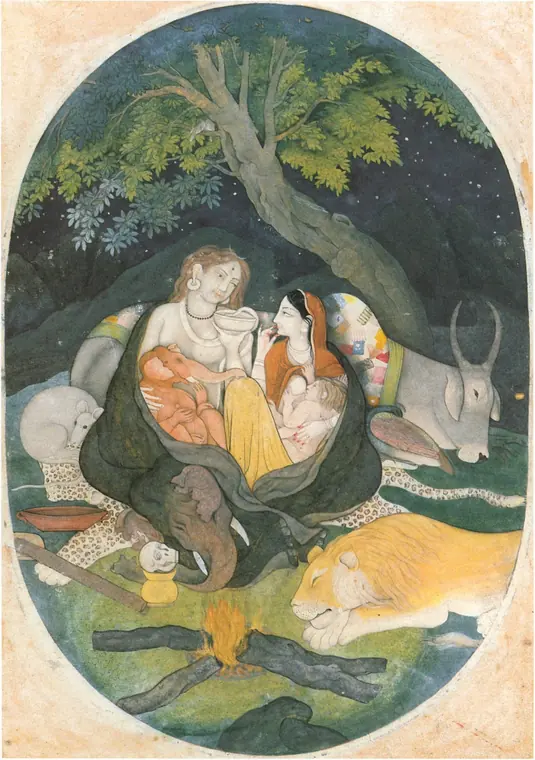
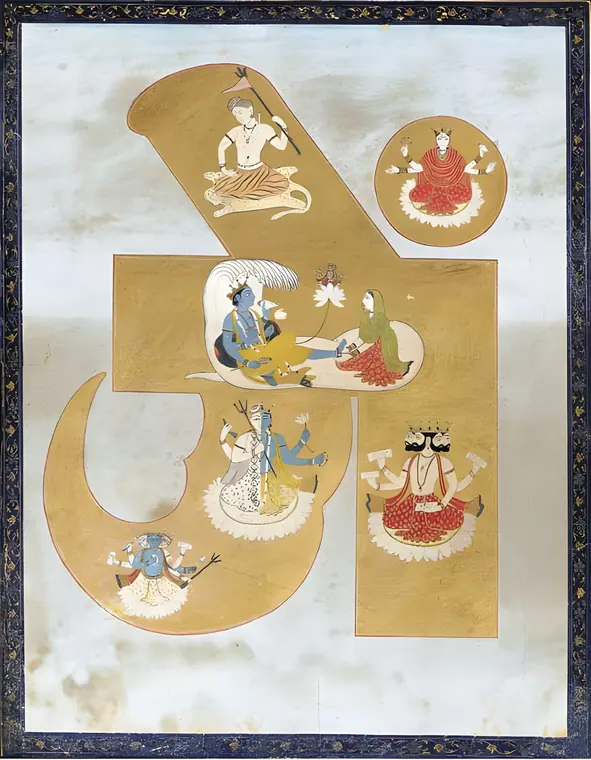
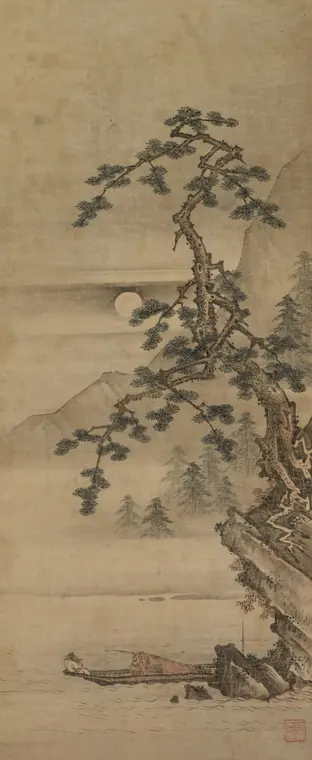
From the open-access collections of The Cleveland Museum of Art (CC0) and The Metropolitan Museum of Art (public domain), and faithful photographs of public-domain paintings on Wikimedia Commons.

Sound

Sound starts only when you tap Enter. Your choice and volume are remembered in your own browser, nowhere else.

  • Night wind and cricketsPlays in: The threshold (home page). “Audio Hörbild Grillenzirpen - nachts um 3 im Föhrenwald Mödling” by DrTrumpet, CC BY-SA 4.0, Wikimedia Commons, made into a seamless loop and mixed with original synthesis by Nova. The mix is shared under CC BY-SA 4.0. Source ↗ · CC BY-SA 4.0 ↗
  • Deep drone and Om Namaḥ ŚivāyaPlays in: The world of Shiva. “Om Namah Shivaya audio” by शिव साहिल, CC BY-SA 4.0, Wikimedia Commons, mixed with an original drone. The mix is shared under CC BY-SA 4.0. Source ↗ · CC BY-SA 4.0 ↗
  • Bansuri at nightPlays in: The world of Krishna. “Indian Folk Classical Flute Music (1)” by MayankSingh33, CC BY-SA 4.0, Wikimedia Commons, made into a seamless loop and mixed with original synthesis by Nova. The mix is shared under CC BY-SA 4.0. Source ↗ · CC BY-SA 4.0 ↗
  • Harmonium, tanpura and manjiraPlays in: The world of Devotion. Original sound made in code for The Living Mystics by Nova (procedural synthesis). No recording is used. A first draft.
  • Singing bowls and a far bellPlays in: The world of the Buddha. “Binaural Cuencos de Cuarzo” by Lufke, CC BY-SA 4.0, Wikimedia Commons, made into a seamless loop and mixed with original synthesis by Nova. The mix is shared under CC BY-SA 4.0. Source ↗ · CC BY-SA 4.0 ↗
  • Night wind and a far temple bellPlays in: The world of Zen. Original sound made in code for The Living Mystics (tools/make_zen_sound.py, 16 Nov 2026). No recording is used. A first draft.
  • Hymn to the DawnPlays in: The world of J. Krishnamurti. “Hymn to the Dawn” by Scott Buckley, CC BY 4.0. Unmodified (loudness-matched and re-encoded only). Source ↗ · CC BY 4.0 ↗
  • Shadows and DustPlays in: The Universal Walk. “Shadows and Dust” by Scott Buckley, CC BY 4.0. Unmodified (loudness-matched and re-encoded only). Source ↗ · CC BY 4.0 ↗

Films

26 Nov 2026: 28 public videos — all 9 Shiva/VBT long films (through Discourse 13) and the 19 VBT Method Shorts now public (Methods 1–19). Methods 20 and 21 are left out until their Shorts are public. All film titles and museum covers are our own, hosted on YouTube.

Type and code

Cormorant Garamond, Big Shoulders Display, Alegreya, Alegreya Sans and Eczar, all under the SIL Open Font License; the licence texts sit beside the font files. The Universal Walk is an original scene made in code, drawn with three.js (MIT licence). Stillness chimes are synthesized locally via WebAudio.

Privacy

No accounts, no trackers, no cookies, no analytics. Films open on YouTube, which has its own rules.

Corrections

If a word, a date or a credit here is wrong, we want to know. Leave a comment under any of our films on YouTube: say which page and what is wrong, and we will check it against the source.

The six worlds
  1. शिव लोकShiva Lok
  2. कृष्ण लोकKrishna Lok
  3. भक्ति लोकDevotion Lok
  4. बुद्ध लोकBuddha Lok
  5. ज़ेन लोकZen Lok
  6. कृष्णमूर्ति लोकKrishnamurti Lok
  7. यात्राThe Universal Walk
Look closer